









Roblox: DOORS – A Complete Guide to the Horror Game
Roblox: DOORS is one of those games that can turn a normal Roblox session into a surprisingly intense experience. At first, the idea seems simple: walk through a mysterious building, open doors, find your way forward, and try not to get caught by whatever is hiding in the darkness. But once the game begins, every hallway can feel like a trap, and even a quiet room can become dangerous without warning.
Created around exploration, suspense, quick reactions, and teamwork, DOORS has become a popular choice for players who enjoy horror games without wanting an experience that is overly complicated. Its simple controls make it easy for new players to understand, while its unpredictable encounters give experienced players plenty of reasons to keep coming back.
What Is Roblox: DOORS?
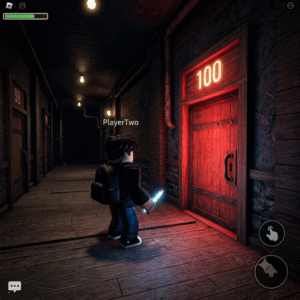
DOORS is a horror and survival experience on Roblox where players explore a strange building by progressing through a series of numbered rooms. The objective is straightforward: keep moving forward while searching rooms, solving small obstacles, avoiding dangerous entities, and surviving unexpected events.
The game does not simply depend on fighting enemies. In fact, survival is usually more important than confrontation. Players need to observe their surroundings, recognize warning signs, listen carefully, and make quick decisions when something goes wrong.
That combination makes DOORS feel different from many traditional Roblox games. Instead of giving players powerful weapons or complicated abilities, the game often gives them limited information and asks them to figure things out for themselves.
Why Is DOORS So Popular?
A major reason for the game’s popularity is its atmosphere. DOORS does not need constant action to create tension. Sometimes the quiet moments are the most uncomfortable.
You might walk through several rooms without seeing anything unusual. Then you hear a strange sound, notice the lights behaving differently, or realize that something may be approaching. Suddenly, the same hallway that looked harmless a few seconds earlier becomes a place where you need to make a decision immediately.
The game also works well with friends. Playing alone can make the experience more frightening, while playing with a group creates a different kind of fun. Friends can search rooms together, warn each other about danger, revive fallen teammates when possible, and laugh about mistakes after a failed attempt.
The combination of horror, exploration, and multiplayer interaction gives DOORS a strong replay value.
Understanding the Main Objective
The basic goal is to progress through the building and reach the end of the current section. To do that, players generally need to move from one room to the next while dealing with obstacles along the way.
Some rooms are completely ordinary. Others may contain useful items, puzzles, hiding opportunities, or dangerous encounters.
The important thing is not to assume that every room works the same way. DOORS rewards players who pay attention rather than simply rushing forward.
Search carefully when you have time, but avoid spending too long in a dangerous situation. Learning when to explore and when to move is one of the most useful skills you can develop.
Entities and Threats
The entities are among the most recognizable parts of DOORS. Each dangerous creature or event has its own behavior, and learning those behaviors can dramatically improve your survival chances.
Some threats may move quickly through rooms, forcing players to find a safe place. Others may appear under specific conditions or punish players for ignoring environmental clues.
This creates an important learning curve. A first encounter with an entity can feel confusing because you may not know what is happening. After experiencing it once or twice, however, you begin to understand the warning signs.
The game encourages players to turn mistakes into knowledge.
Instead of thinking, “I lost, so the game is unfair,” experienced players often ask, “What did I miss?” That mindset is extremely useful in DOORS.
Rush and Fast Encounters
One of the most stressful moments in DOORS is dealing with a fast-moving threat. When the environment suddenly changes and danger begins approaching, hesitation can be costly.
Players need to recognize the signs and immediately think about where they can hide. Searching for a hiding location at the last second is much more difficult than noticing potential safe spots before danger arrives.
This is why experienced players tend to keep track of the room layout as they move. Knowing where closets or other hiding opportunities are located can save valuable seconds.
Eyes and Environmental Awareness
Not every danger requires running away. Some encounters are designed to punish players who fail to observe what is happening around them.
When something unusual appears in a room, do not automatically assume that moving closer is the right choice. Sometimes the safest response is to change your direction, look away, or simply avoid interacting with the threat.
The larger lesson is that DOORS rewards awareness. Looking around carefully can be just as important as moving quickly.
Searching Rooms for Useful Items
Exploration is another major part of the experience. Rooms may contain objects that can help you progress or survive.
Players should check drawers, tables, shelves, and other obvious locations when it is safe to do so. Useful items can make difficult sections easier, especially when the game begins introducing more complicated challenges.
However, searching everything is not always the best strategy. If an immediate threat is approaching, spending extra time looking for an item can put the entire team at risk.
A good player learns to balance curiosity with caution.
Keys and Locked Doors
As the name suggests, doors are central to the game. Not every door can simply be opened immediately.
You may need to locate a key or complete another task before continuing. This creates small exploration challenges between the larger horror encounters.
If you cannot immediately find what you need, stay calm. Look through nearby rooms and pay attention to objects that appear out of place.
When playing with friends, divide the search rather than having everyone inspect the exact same area. Good communication can save a lot of time.
Tips for New DOORS Players
If you are playing DOORS for the first time, do not worry about dying quickly. Failure is a normal part of learning the game.
Here are some useful beginner tips:
1. Pay Attention to Sounds
Audio clues are extremely important. Strange noises, changes in the environment, and other sounds can provide warnings before something dangerous happens.
Playing with the sound turned down can make certain situations considerably harder.
2. Don’t Always Rush
Moving quickly may feel like the safest option, but blindly rushing can cause you to miss keys, make mistakes, or walk directly into danger.
Move efficiently, but keep your eyes open.
3. Learn From Every Death
If an entity catches you, remember what happened. Did you ignore a warning? Did you hide too late? Did you look in the wrong direction?
Your next attempt can be better because of that mistake.
4. Remember Safe Locations
When entering a room, quickly notice possible hiding places. You may not need them, but knowing where they are can become extremely valuable if danger appears.
5. Stay With Your Team
When playing multiplayer, communication is incredibly useful. Tell teammates when you find an important item or notice something unusual.
A coordinated group generally has an easier time than several players acting independently.
Playing DOORS Alone vs. With Friends
DOORS can feel very different depending on how you play.
Solo gameplay creates a stronger sense of isolation. There is nobody else to warn you when something is approaching, and every decision is yours. For players who enjoy suspense, this can make the experience much more frightening.
Multiplayer gameplay, meanwhile, turns some scary situations into memorable moments. Friends may panic at the same time, accidentally make the same mistake, or try to help each other escape.
Teamwork can also make certain challenges easier because players can search different areas and share information.
Neither style is necessarily better. It depends on whether you prefer intense solo horror or chaotic multiplayer fun.
How to Improve Your Survival Skills
Improving at DOORS is mostly about learning patterns.
During your first few attempts, you may feel as though everything happens randomly. After more experience, you start recognizing familiar situations.
You begin noticing how rooms are arranged, where useful objects tend to appear, what certain sounds mean, and how different entities behave.
Try not to focus only on reaching the highest possible room number. Focus on becoming better at one part of the game at a time.
For example, you might spend one session learning how to respond to a particular entity. Another session can focus on searching rooms efficiently.
Small improvements eventually make a big difference.
Why the Horror Works
One of the clever aspects of DOORS is that it does not rely entirely on jump scares.
The game creates tension through uncertainty.
You may know that something could happen, but you do not always know exactly when. That anticipation keeps players alert.
Dark rooms, unusual sounds, sudden changes, and limited information all contribute to the atmosphere. Even when nothing is happening, you may still wonder whether the next door will contain something dangerous.
That psychological tension is what keeps many players engaged.
The Importance of Patience
A common beginner mistake is becoming impatient after several quiet rooms.
When nothing happens for a while, players may stop paying attention. That is exactly when a sudden encounter can catch them off guard.
Stay focused even during peaceful sections.
At the same time, avoid becoming so cautious that you barely move. DOORS requires a balance between speed and awareness.
The best players are not necessarily the fastest. They are usually the players who understand when speed matters and when patience is safer.
Is Roblox: DOORS Worth Playing?
If you enjoy horror games, exploration, puzzles, or multiplayer survival experiences, DOORS is definitely worth trying.
Its controls are easy to understand, so beginners can start playing without spending a long time learning complicated mechanics. At the same time, the game has enough variety and unpredictability to keep experienced players interested.
The biggest strength of DOORS is the feeling that something could happen at any moment. You never completely know what is waiting behind the next door.
For players who enjoy discovering game mechanics through experience, that uncertainty can be a major part of the fun.
Final Thoughts
Roblox: DOORS is much more than simply walking from one numbered door to another. It is a game about observation, reaction, exploration, and learning from mistakes.
Its strongest moments often happen when players are unsure about what comes next. A quiet hallway can suddenly become dangerous, a simple search can turn into a race against time, and a small mistake can end an otherwise successful run.
Whether you play alone or with friends, the experience encourages you to stay alert and adapt to whatever the game throws at you.
If you are new to DOORS, do not be discouraged by early failures. Every unsuccessful run teaches you something about the rooms, the threats, and the decisions you need to make. Eventually, situations that once seemed impossible become familiar.
That learning process is one of the reasons DOORS remains such an enjoyable Roblox horror experience. You enter expecting to open a few doors, but before long, you are listening to every sound, checking every corner, and wondering what could possibly be waiting on the other side of the next one.